The ‘Mind’ Book Club – Film Club Edit
In our new bi-weekly series for members of balanceclub, we delve into new books in the health and wellness sphere. From fiction to non-fiction, memoirs to self-help, poetry to cookbooks – we are exploring it all! This week, we’re cheating the ‘book club’ a little bit – and indulging in the world of documentaries and series. After all, it’s all about balance. These short films and episodes invite us to scrutinise an industry we are all part of, and change the way we think about the wellness sphere with these cautionary (and slightly weird) real-life stories. So sit back, relax, and grab the popcorn!
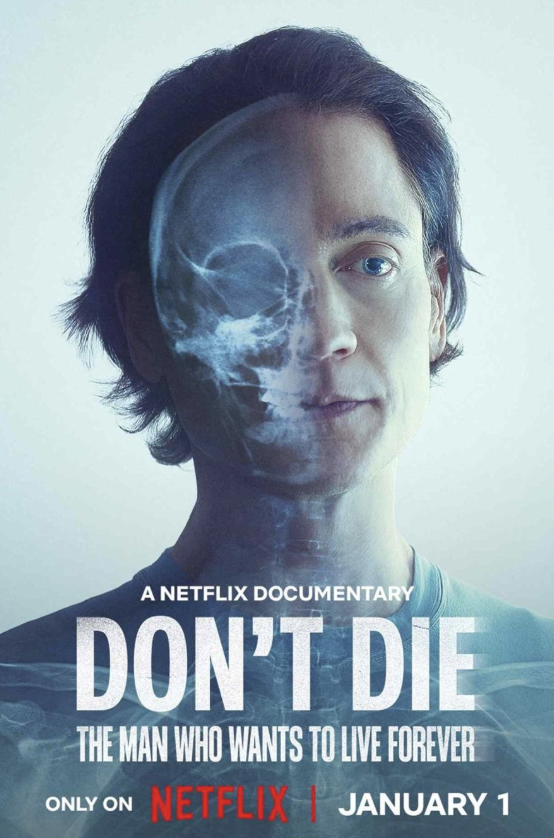
Don’t Die: The Man Who Wants to Live Forever (2025)
This documentary features Bryan Johnson, a biohacker on a quest to extend his lifespan via extreme diet, exercise, supplementation, and monitoring. It is all captured in the 2025 Netflix film, and taps directly into the “wellness as optimisation” trend, the rising interest in longevity, biohacking, wearables and personalised health. It explores the cutting edge of nutrition/body optimisation and sparks questions about cost, sustainability, access and whether the “perfect body” or “long life” narrative is realistic.
Untold: The Liver King (2025)
This one follows Brian “The Liver King” Johnson, a fitness influencer who rose to fame by promoting a radical “ancestral” diet of raw organ meat and extreme lifestyle rituals. The film delves into his rapid rise on social media, the claims around performance and health, and his eventual public admission of steroid use. It touches on influencer culture, diet extremism, raw food trends, and the blurring line between wellness hype and evidence – all very relevant topics in the digital wellness world right now.
The Goop Lab (2020)
Though perhaps a little older, The Goop Lab takes viewers inside Gwyneth Paltrow’s glossy wellness empire, exploring everything from psychedelics and cold therapy to energy healing and female pleasure. It’s part science experiment, part self-help spectacle – and totally polarising. Critics call it pseudoscience in designer packaging, while fans see it as boundary-pushing wellness made accessible. Love it or hate it, it perfectly captures our obsession with optimisation and the blurry line between self-care and spectacle in the Instagram era.